Corporate Gifting Guides
Premium vs Budget Corporate Gifts in Singapore: What Should Businesses Choose?
Premium or budget? For most Singapore businesses the answer is both, applied to the right recipients. Here is how to decide, with a worked budget example.

The premium-versus-budget question comes up in almost every corporate gifting discussion. Finance wants to control cost, marketing wants impact, and HR wants fairness. The good news is that the choice is rarely either/or. Most Singapore businesses get the best result by using premium gifts for a small number of high-value relationships and a well-presented, lean gift for everyone else.
This article explains what premium and budget mean in practice, where each pays off, how to tier your list and how to split a budget, with a worked example you can adapt. The figures in the example are illustrative only and are not our pricing.
What premium and budget really mean
“Premium” is not just a higher price. It is a combination of quality of contents, care in selection, refined presentation and a personal touch. “Budget” is not the same as cheap: a budget gift can still be neat, useful and well delivered, but it is designed to be efficient at scale.
The most common mistake is to treat the terms as quality labels, when they are really scale labels. A premium gift makes sense when the relationship is small in number but large in value. A budget gift makes sense when the audience is large and consistency matters.
Where premium pays off
- Strategic clients and decision makers, where one relationship may be worth a great deal to the business.
- Senior executives and board members, who receive many gifts and notice quality.
- Key partners, where a generous gesture reinforces a long-term relationship.
- Milestone moments, such as contract renewals, awards or anniversaries.
Premium gifts need care beyond the contents: a personal card, considered delivery to a named contact and awareness of the recipient’s gift policy. Browse premium corporate gifts for examples.
Where budget makes sense
- All-staff festive gifting, where every employee should receive the same thing.
- Large customer or event lists, where hundreds of gifts are distributed.
- Second-tier clients and prospects, where a friendly gesture is enough.
A budget gift works when it is neat, consistent and relevant. See our corporate gift boxes for the format that suits volume best.
The tiered approach
| Tier | Recipients | Approach |
|---|---|---|
| Tier A | VIP clients, leadership, board | Premium hamper, personal note, scheduled delivery. |
| Tier B | Key partners and suppliers | Shareable, quality hamper or collection. |
| Tier C | Key-account clients | Mid-range hamper with a personalised card. |
| Tier D | All employees | Identical, well-presented gift box. |
A worked example (illustrative only)
Suppose a company has a total gifting budget of S$30,000 for a festive season. These figures show how the budget might be allocated. They are hypothetical and are not our price list.
| Tier | Recipients | Budget per gift | Subtotal |
|---|---|---|---|
| Tier A: VIP clients and leadership | 15 | S$250 | S$3,750 |
| Tier B: key partners | 25 | S$150 | S$3,750 |
| Tier C: key-account clients | 60 | S$120 | S$7,200 |
| Tier D: all employees | 200 | S$60 | S$12,000 |
| Subtotal for gifts | 300 | S$26,700 | |
| Delivery, cards and contingency | S$3,300 | ||
| Total | S$30,000 |
Notice that the 15 VIP recipients take a similar share of the budget as the 25 partners, and that the 200 employees account for 40 per cent of the total. That balance is the point of tiering: it directs generosity to where it matters, while keeping the wider programme sustainable.
How to present the budget to your finance team
Finance teams respond well to structure. Rather than asking for a single lump sum, present the plan by tier: who receives what, why, and how many. Show the per-head figure for each tier, the total, and a line for delivery and contingency. Explain the business purpose of each tier in one sentence, for example “retention of top-tier accounts” or “staff appreciation across all grades”. Attach the quotation, and note whether it is inclusive or exclusive of GST so nothing is queried later. A tiered plan is easier to approve than an unexplained total, and easier to defend if someone asks why VIP clients receive more than staff.
Signs a gift is mis-specified
| Symptom | Likely cause | Fix |
|---|---|---|
| Senior clients receive the same gift as everyone else | Budget spread too evenly | Introduce a small premium tier. |
| Staff feel the gift is an afterthought | Budget too lean or presentation poor | Improve presentation and add a leadership card before adding items. |
| Recipients hesitate to accept a gift | Value or branding is too conspicuous | Scale back, remove branding and check policy. |
| Costs escalate late in the process | Hidden costs not budgeted | Include delivery, cards and contingency from the start. |
Making a lean budget look considered
Presentation is the most cost-effective lever you have. A tidy box, a ribbon, a neatly printed card and a consistent look cost far less than adding items, yet they change how the gift is perceived. Choose fewer, better items over a crowded box. Keep the card wording personal. And plan delivery well so the gift arrives on time and in good condition. A lean, well-presented gift almost always beats a generous one that looks thrown together.
What matters more than price
- Relevance. A gift that suits the recipient beats an expensive one that does not.
- Presentation. Tidy, intentional packaging lifts perceived value.
- Timing. A modest gift that arrives before the festival beats a lavish one that arrives after.
- Personal touch. A short message in your own words changes how a gift is received.
- Delivery. A perfectly good gift that arrives damaged or late loses its value.
Risks at both ends
Going too cheap can damage your brand, particularly with senior clients who expect care. Going too lavish can create compliance problems, especially with recipients at banks, public-sector bodies and multinationals that restrict gift values. Check the recipient’s policy before finalising a premium gift, and avoid any gift that could look like an attempt to influence a decision.
Hidden costs to include
- Delivery to multiple addresses.
- Greeting cards and customisation.
- Extra packaging for fragile or premium items.
- Replacements for damaged or undelivered gifts.
- Late changes to the recipient list.
Reviewing results after the season
Premium and budget decisions improve with feedback. After each gifting round, note which tiers drew the warmest responses, which recipients mentioned the gift unprompted, and where delivery or presentation fell short. Ask account managers whether the premium tier opened conversations that would not otherwise have happened. Ask HR whether staff comments suggested the lean tier felt fair. You do not need a formal survey; a short internal debrief is enough. Over two or three seasons this tells you whether to shift budget between tiers, and it gives finance a straightforward, honest account of what the programme delivers.
A simple decision guide
| If… | Choose |
|---|---|
| The list is short and high value | Premium |
| The list is long and needs consistency | Budget, well presented |
| You have both | A tiered approach |
| The recipient has strict gift limits | Modest and clearly appropriate |
To build a tiered plan, request a corporate quotation with your groups and quantities, or explore our corporate hampers to see the options.
Frequently asked questions
Should we choose premium or budget corporate gifts?
Most businesses do best with both: premium for a small number of high-value relationships and a lean, well-presented gift for everyone else.
How should I split a corporate gifting budget?
Decide a total, tier your recipients, and allocate more per head to smaller, higher-value groups. Reserve a portion for delivery, cards and contingency. The worked example above shows one way.
Can a budget gift still look premium?
Yes. Neat packaging, a well-worded card and thoughtful selection lift a lean gift considerably.
Can a gift be too expensive?
Yes. Some recipients are bound by gift limits, and a very lavish gift can create compliance concerns. Check the policy before sending.
Explore related gifting options
Hampers mentioned in this guide
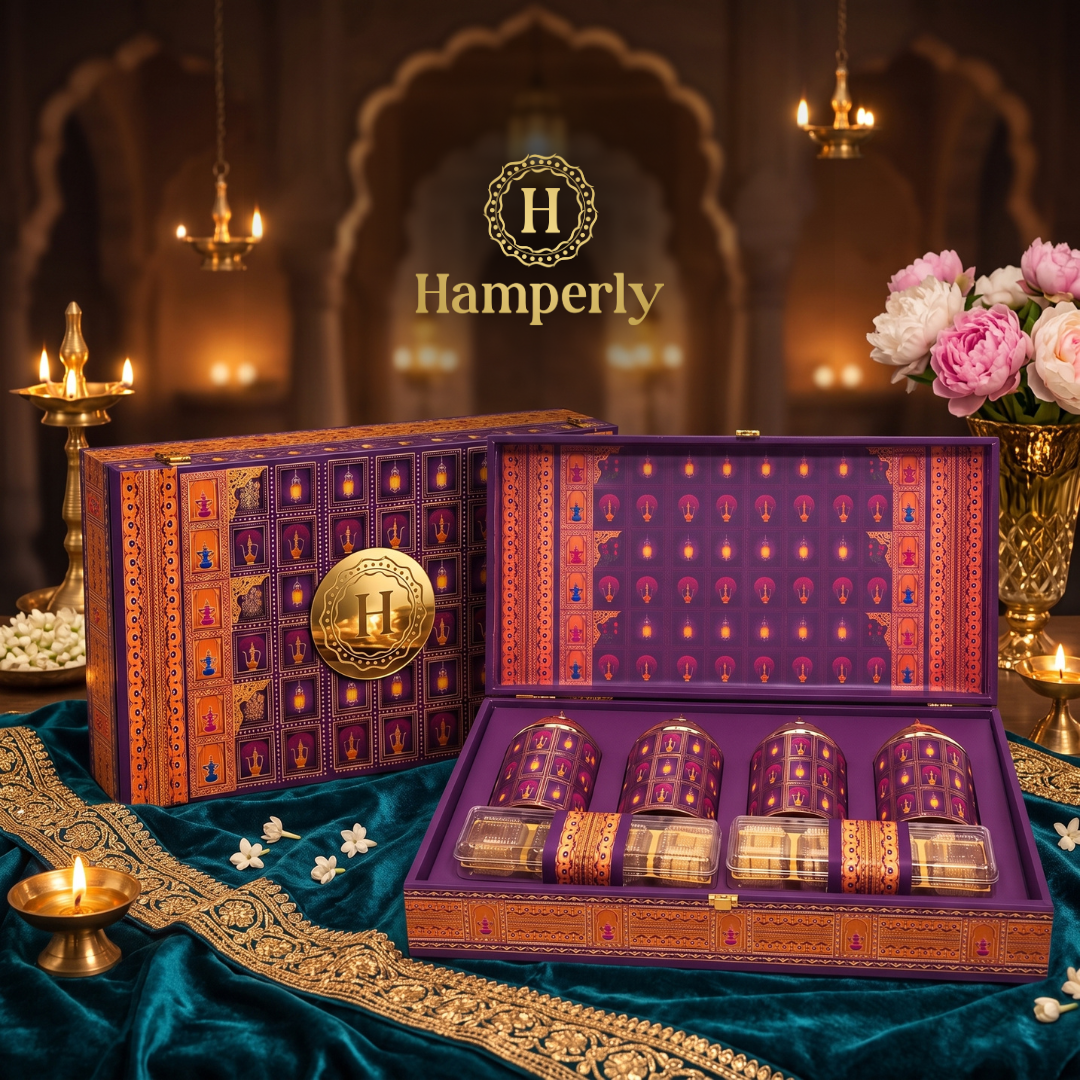
Royal Executive Corporate Hamper
An executive-level corporate hamper for clients and partners, elegant enough for senior desks and easy to justify against gifting policy.
Suitable for Clients · Business partners · Senior management
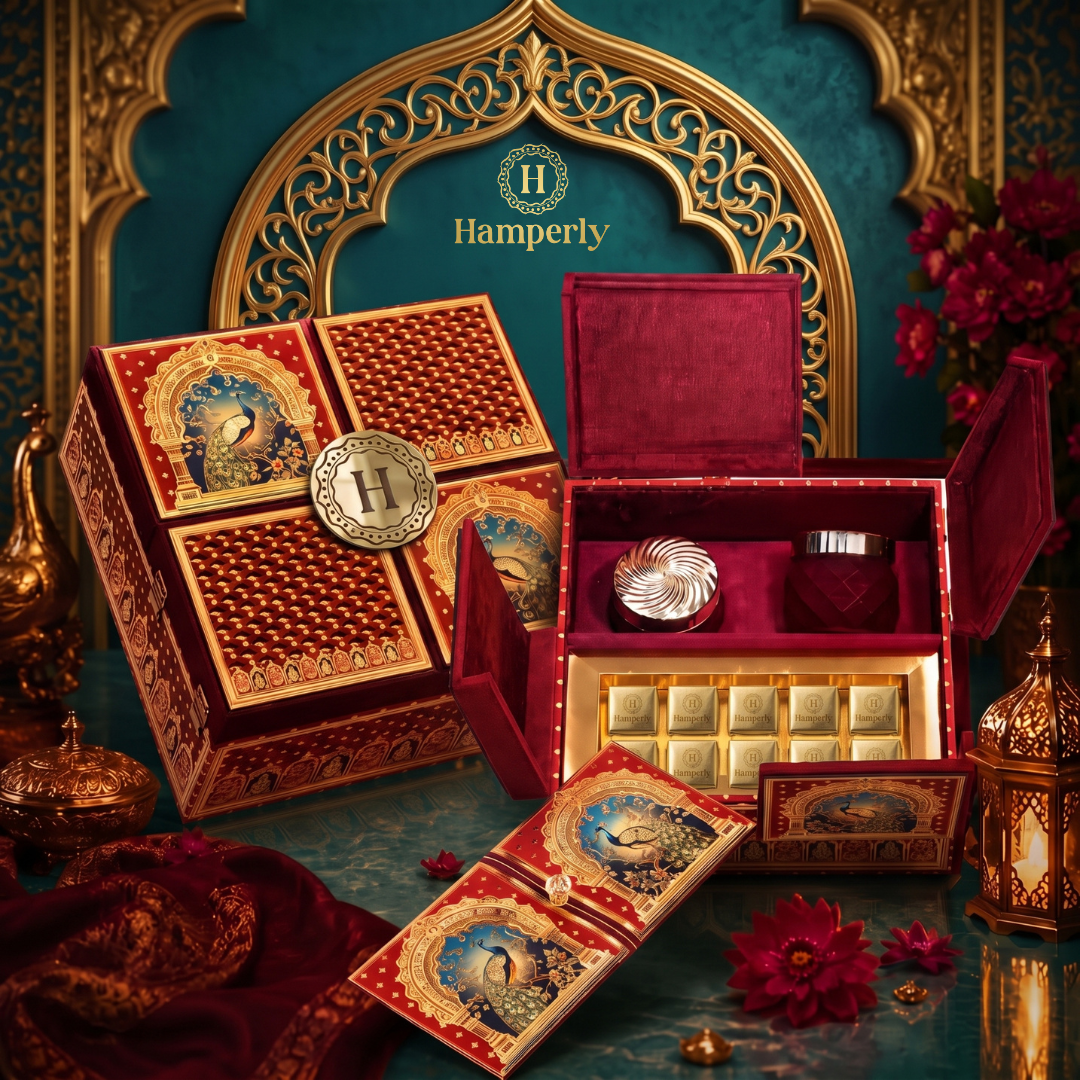
Classic Corporate Hamper with Sweets
The dependable Classic selection with sweets front and centre — consistent, shareable and easy to distribute at scale.
Suitable for Employees · Teams · Company events

Starter Corporate Gift Box with Sweets
The compact gift box with sweets leading the selection, ideal for larger lists and team distribution.
Suitable for Wider client lists · Suppliers · Team leads
More corporate gifting guides

Diwali Corporate Gifts in Singapore: The Complete 2026 Guide for Businesses
Everything a Singapore business needs to plan Deepavali gifts for 2026: dates, who to gift, what to give, budgeting, timing, customisation and delivery.

Best Diwali Corporate Hampers in Singapore for Employees, Clients and Business Partners
The best Diwali corporate hamper depends on who receives it. Here is how to match hamper styles to employees, clients, partners and VIPs.

Deepavali 2026 in Singapore: Corporate Gifting Ideas, Dates and Planning Guide
Deepavali is on Sunday 8 November 2026. Use this dated work-back plan, gifting ideas and delivery tips to get corporate gifts to recipients on time.